What I Do the Week Before Set: Elite-Level Preparation for Mind, Body, and Craft
Elite Level Development for Mind, Body and Craft
Next week, I’ll be flying north in California for a film project, and as always, the real preparation began long before the travel details, wardrobe notes, or call sheets arrived. For me, stepping into a role starts weeks before set—quietly, intentionally—through how I care for the body, discipline the mind, and begin building the internal life of the character. By the time I arrive on location, the goal is never to “find” the work under pressure, but to have already created enough internal clarity that I can stay present, responsive, and fully available once the camera is rolling. The week before set becomes less about doing more, and more about refining what matters: energy, focus, emotional access, and craft.
The Week Before Set
The work of an actor does not begin when the camera rolls. For serious actors, the most important work often happens quietly—days before stepping onto set, before wardrobe fittings, before call sheets, before anyone sees what is being built internally. The week before a shoot is not about frantic over-preparation. It is about refinement.
At an elite level, preparation means arriving with your instrument regulated, your mind clear, your body responsive, and your choices alive enough that they can still breathe under direction. Because by the time you arrive on set, your job is not to search for the character. Your job is to be available enough for the character to live.
1. I Stop Chasing Performance and Start Protecting Energy
One of the biggest mistakes actors make before a booking is overloading themselves mentally. Too much content. Too much comparison. Too much noise. The week before set, I intentionally reduce unnecessary input. That means limiting distractions, tightening my schedule, protecting sleep, and becoming more selective with where emotional energy goes. The goal is simple: preserve internal space.
A scattered nervous system creates scattered work. A calm system creates precision. Your performance will always reveal your internal state more than you realize. If your body is carrying chaos, urgency, resentment, exhaustion, or overstimulation, the camera sees it.
So before set, I ask:
What is draining me unnecessarily?
What conversations do not belong this week?
Where am I leaking focus?
Elite preparation is often subtraction, not addition.
2. I Rebuild the Character Internally Without Forcing It
Even if the script has already been studied, I revisit it differently the week before. Not analytically. I move from memorization into embodiment. I read scenes slowly and ask:
What is this person protecting?
What are they withholding?
What happens underneath each line?
Where does the energy shift?
Then I stop trying to “perform” the answer. Instead, I sit with the emotional architecture. A useful exercise is to read the scene once aloud, then sit in silence for several minutes afterward and let images arise naturally. Very often, the most truthful choices come when you stop trying to manufacture them. At this stage, less external acting and more internal listening creates stronger work.
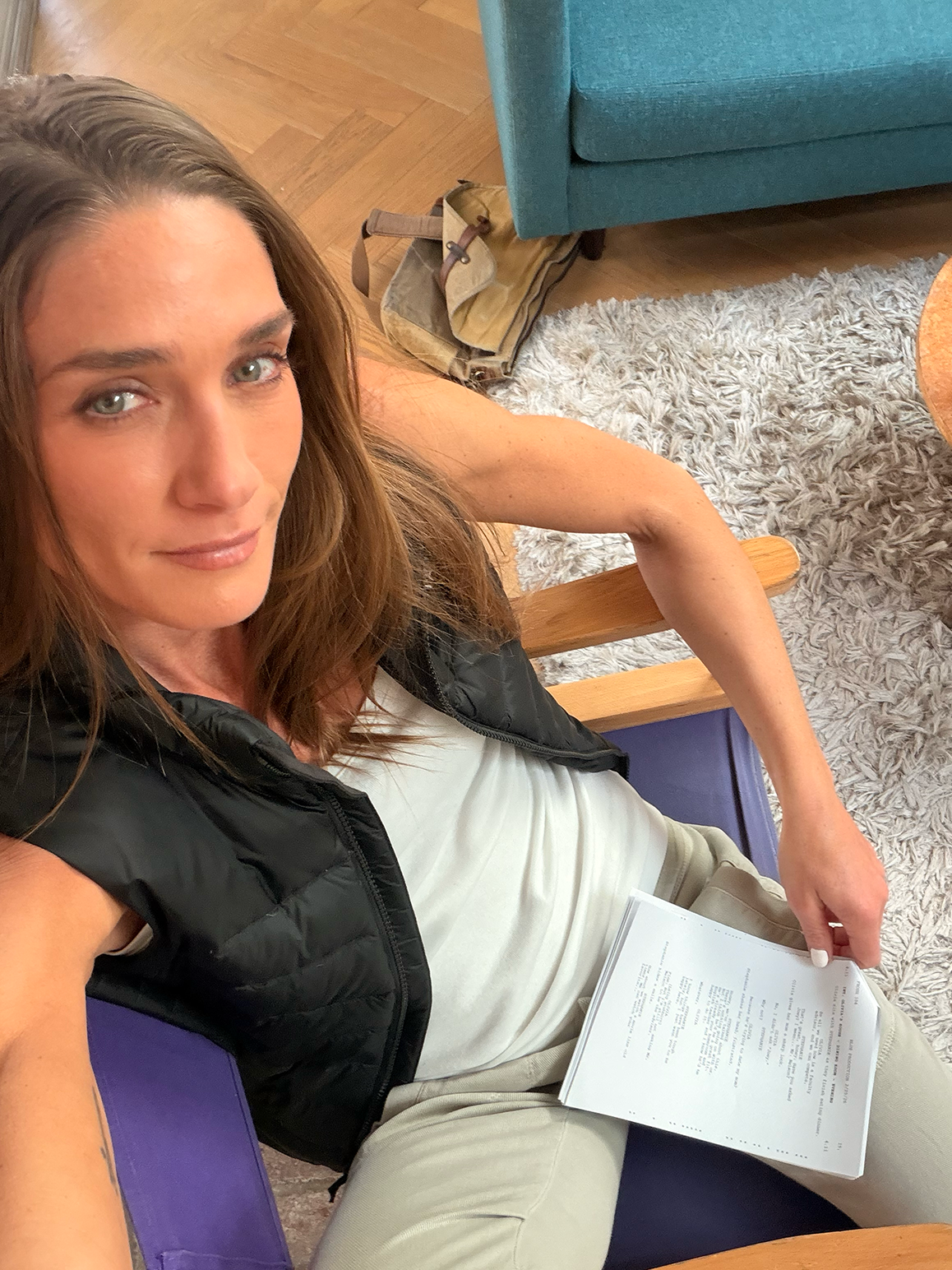
On set, preparing lines before the take. It’s about focus, not distraction.
3. I Train the Body Like an Instrument
The body carries emotional truth before language does. The week before set, physical preparation matters more than many actors realize. Not for aesthetics alone—for responsiveness.
That means:
walking daily
mobility work
breath expansion
releasing tension in jaw, shoulders, hips
staying hydrated
reducing anything that inflames the body
If the body is stiff, tired, inflamed, or collapsed, emotional availability narrows. You do not need extreme workouts before set. You need circulation, presence, and regulation. Even ten minutes of breath-led movement in the morning changes what arrives on camera. Because the body must remain available enough to receive direction without resistance.
4. I Refine Voice and Stillness
The voice reveals hidden tension immediately. So the week before filming, I return to vocal fundamentals:
breath into lower ribs
resonance work
articulation without pushing
speaking text softly before speaking it fully
But equally important is practicing stillness. Many actors rehearse expression but neglect restraint. Film rewards thought. The camera catches what stage often cannot: the moment before speech. I often sit with scenes and intentionally do less than feels natural.
The question becomes:
How little is needed for the truth to land?
That is where mature screen work begins.
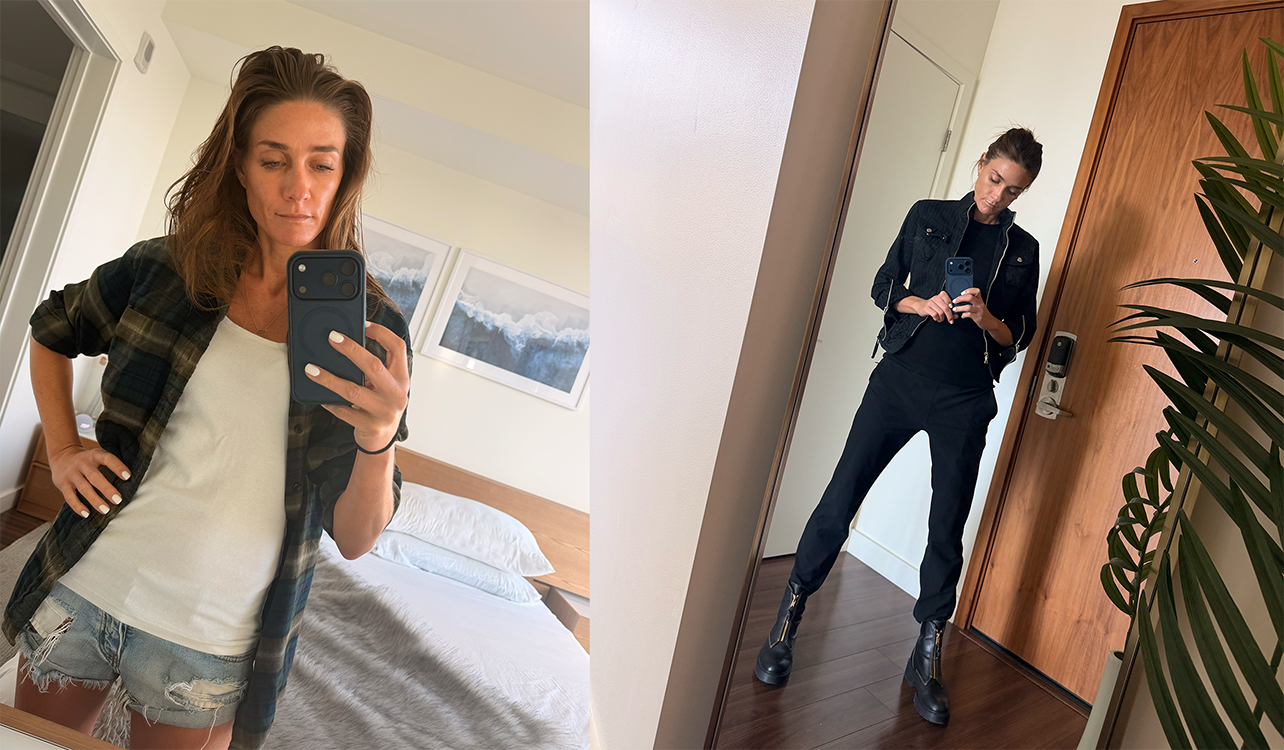
Recent Audition Self Tape set on location. (Los Angeles)
5. I Prepare Emotionally Without Becoming Emotionally Fragile
Actors sometimes mistake emotional access for emotional instability. They are not the same thing. Elite preparation means being able to access depth without losing center. Before set, I do not try to “live in the emotion” all week. I stay grounded in my own life while understanding the emotional doorways available to the character.
That means journaling clearly:
What belongs to me?
What belongs to the role?
Where do they overlap?
Where must they remain separate?
The strongest actors can enter intensity cleanly because they are not unconsciously drowning in it. Control does not weaken emotion. It gives emotion shape.
6. I Leave Space for Discovery
The final mistake many actors make is arriving too locked. Preparation should create freedom—not rigidity. If every line reading is fixed, if every beat is predetermined, you leave no room for real exchange. So in the final days before set, I loosen. I trust the work already done. Because once you arrive, another actor, a director, a location, a lens, and timing will all shift what exists.
The actor who survives professionally is the one who prepares deeply enough to let go. That is where confidence actually lives. Not in control. In readiness.
Final Thought
The week before set is where professionalism quietly reveals itself. Not publicly. Not performatively. But in how seriously you treat your instrument before anyone calls action. The audience will only see the final moment.
But the truth is: That moment was built days before—through discipline, restraint, and inner clarity.
That is elite work.