Night Shoots: How to Prepare, Recover, and Protect Your Energy Like a Professional
How to Prepare and Recover From a Night Shoot
The glamorous part of film and television often lives on screen. What audiences don’t see are the 2:00 AM call times, the fake dinners eaten at midnight, the emotional scenes filmed while your body believes it should be asleep, and the drive home as the sun begins to rise.
Night shoots can feel exciting at first. There is something cinematic about working while the rest of the world sleeps. But anyone who has done them knows the truth: they can challenge your body, your mind, and your performance if you do not recover strategically. As actors, creators, and high performers, recovery is not a luxury. It becomes part of the work itself.
Here is how to prepare before a night shoot and recover afterward without completely disrupting your rhythm.
Before the Night Shoot: Prepare Your Body Before It Pays the Price
Many people approach night shoots reactively. They show up tired, push through with caffeine, and deal with the consequences later. Preparation changes everything.
1. Prioritize sleep the day before
You do not want to enter a night shoot already carrying sleep debt. If possible, avoid staying up late the night before because you assume you will sleep during the day. Give yourself a full night of quality rest and think of it as putting money into a sleep bank account.
You may not be able to fully “store” sleep, but entering a demanding schedule rested gives your body a much better foundation.
2. Use strategic naps
If your call time is later in the evening, a 60–90 minute nap during the afternoon can be incredibly useful. The goal is not to sleep all day. It is to give your brain and nervous system a small reset before asking it to perform at midnight. Many actors notice they become more emotionally available and mentally sharp when they arrive feeling refreshed rather than already depleted.
3. Fuel like an athlete
Night shoots can quickly become a cycle of coffee, snacks, and whatever happens to be available on set. That usually catches up with you.
Before your call:
Eat protein and complex carbohydrates
Hydrate consistently throughout the day
Add electrolytes if needed
Avoid heavy, greasy meals that leave you sluggish
Your energy should feel stable, not spiked and crashing.
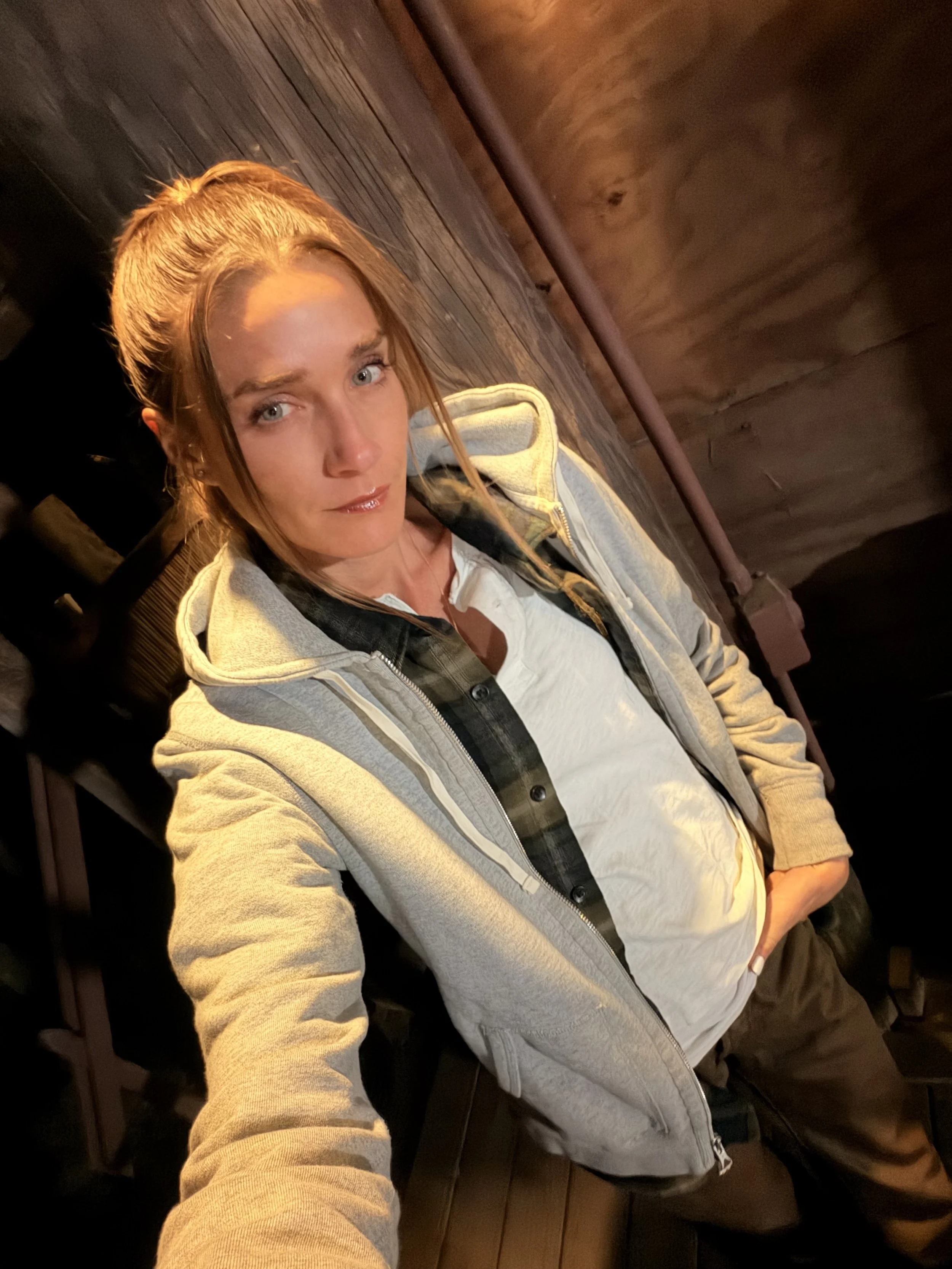
3:23am before blocking.
4. Be smart with caffeine
Caffeine is a tool, not a strategy. Many people make the mistake of loading up before arriving and then continuing throughout the night.
Instead:
Have caffeine early in the shift if needed
Keep intake moderate
Avoid loading up toward the end of the shoot
Remember: future-you still has to sleep when you get home.
5. Protect your mental energy
Night shoots often involve long waiting periods, emotional scenes, or high stimulation. Avoid spending every free moment scrolling social media.
Use downtime to:
listen to calming music
review scenes
breathe
stretch
stay present
Protecting mental energy is as important as protecting physical energy.
After the Night Shoot: Recovery Starts the Minute You Leave Set
The biggest mistake after a night shoot is treating recovery casually. You may tell yourself you will “catch up later,” but your body usually responds differently.
1. Create a wind-down ritual
Many actors leave set with adrenaline still running. You may be physically exhausted while mentally wide awake.
Help your body transition:
dim lights when you get home
keep stimulation low
avoid immediately opening social media
hydrate
take a warm shower if it helps
You want to send your nervous system a signal that work is over.
2. Do not panic if you cannot sleep immediately
This surprises people. You can get home at 4:30 AM exhausted and still stare at the ceiling. That does not necessarily mean something is wrong. Your nervous system may still be activated. Forcing sleep usually creates more frustration.
Instead:
keep the room cool and dark
avoid checking the clock
allow your body time to settle
3. Use naps strategically
If you only slept a few hours, naps can help—but timing matters.
Two options generally work well:
20–30 minutes
Quick energy reset without entering deeper sleep.
90 minutes
Allows your body to complete a full sleep cycle.
Avoid the middle range of roughly 45–60 minutes when possible because many people wake up feeling groggy and disoriented.
4. Get sunlight and light movement
Even after a night shoot, getting outside matters. A short walk and sunlight exposure can help regulate your body clock and reduce the feeling of being completely disconnected from time. You do not need an intense workout. A walk, stretching, mobility work, or light movement is often enough.
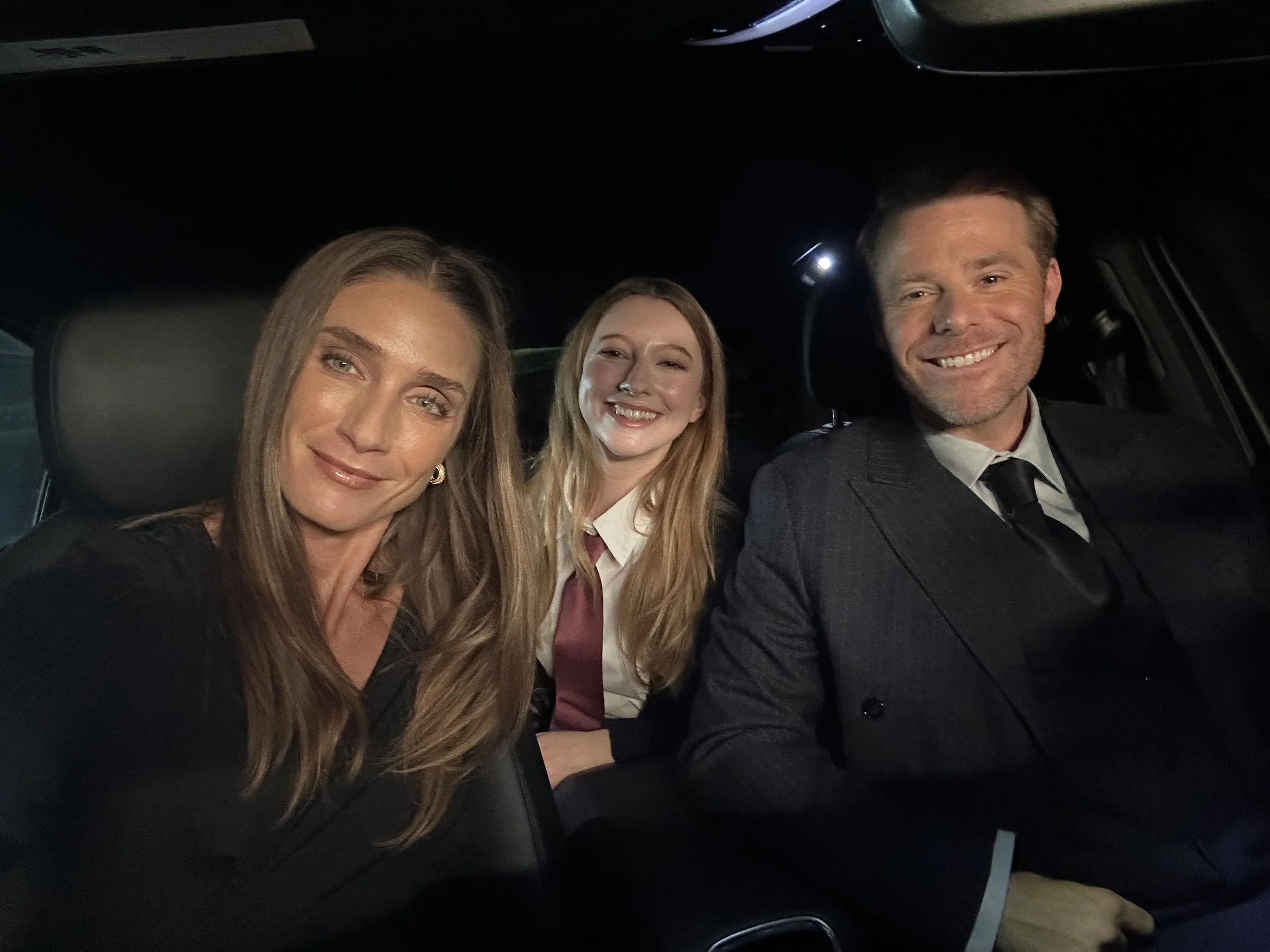
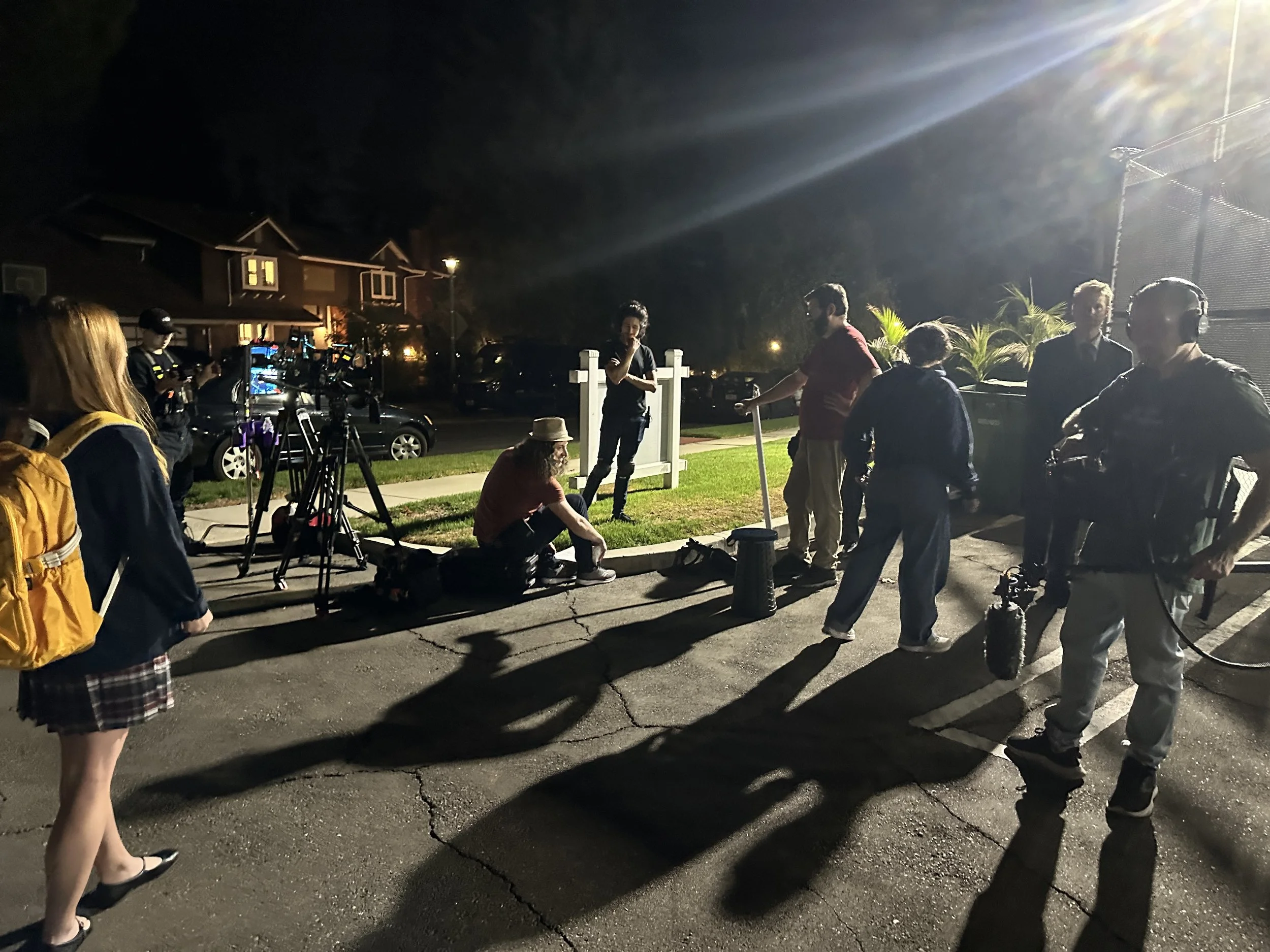
Recent Audition Self Tape set on location. (Los Angeles)
5. Focus on recovery, not productivity
This is where high performers struggle. You may think: "I already lost half the day. I should catch up on emails, errands, and everything else."
But recovery is productive. Your emotional availability, cognitive sharpness, appearance on camera, and performance all depend on it. Professional athletes understand this. Professional actors should too. Because showing up exhausted does not make you disciplined. Showing up prepared does.
Night shoots are part of the job. Learning how to recover from them is part of building a career that lasts.