The One Thing AI Can Never Replace
You can tell.
Have you ever opened an email that was beautifully written—perfect grammar, polished structure, every sentence flowing effortlessly—and yet something felt... off? It checked every box, but somehow it lacked a heartbeat. Admittedly, I'm guilty of sending those emails myself.
I'm a genuine fan of AI. ChatGPT and Claude (or ChadGPT and Claudette as I file for my employee roster) have become two of my favorite creative assistants because they help me organize ideas, challenge my thinking, and clean up the mistakes I'd otherwise overlook. They save time, improve clarity, and make me a better editor. But over the past few months, I've realized something that feels even more valuable: the goal isn't to sound perfect. The goal is to sound like yourself.
"AI can help me edit my words, but it can never replace my voice."
For a while, I wasn't entirely sure what this blog wanted to become. If you look back through older posts, you'll find practical advice—how-to articles, wellness tips, travel recommendations, and lessons for living healthier both on set and on the road. Those posts reflected where I was at the time, and I'm grateful for them because they served their purpose. But as I've continued growing as an actor, writer, and producer, I've noticed something changing in the way I think and the way I want to communicate.
Lately, I've found myself spending far more time breaking down scripts, studying character psychology, thinking about story structure, and asking why certain performances stay with us long after the credits roll. I'm constantly observing people, conversations, and the world around me, not just as someone living through it, but as someone searching for the story underneath it. Somewhere along the way, I realized that my perspective has become more valuable than my ability to write something perfectly polished.
That's what I want The Elite Edit to become moving forward.
You'll still find conversations about Hollywood, filmmaking, acting, travel, and well-being because those are all part of my life. But instead of simply offering advice or another list of tips, I want this space to become a place for perspective. I want to write about the films and television that challenge me, the performances that inspire me, the stories that move culture forward, and the lessons I'm learning while building a career inside this industry. Most of all, I want these articles to sound unmistakably like me.
That's where I think AI finds its best role.
It can organize my thoughts, catch my typos, and help refine my writing, but it cannot replace my voice. It doesn't have my life experiences, my failures, my victories, or the moments that shaped the way I see the world. It doesn't carry my instincts, my imagination, or my vision for the stories I hope to tell. Those things are earned through living, and they're the one advantage each of us possesses that technology can never replicate.
"Perfection gets attention. Authenticity earns trust."
So yes, I'll continue using AI. I think it's one of the most powerful creative tools we've ever been given. But I'll use it the same way a filmmaker uses an editing suite or a photographer uses Photoshop—not to create the soul of the work, but to help present it more clearly. The ideas, opinions, and perspective still have to come from me.
In many ways, this post is simply a reintroduction. It's a marker for where The Elite Edit is headed next. Expect conversations about Hollywood, storytelling, culture, travel, and well-being, but also expect something more personal: a glimpse into how I see the world and the stories that are shaping me as an artist and as a person.
If there's one thought I'd leave you with, it's this: don't let the pursuit of sounding perfect cost you the opportunity to sound authentic. In a world where millions of people have access to the same technology, your perspective becomes your greatest differentiator. No one has lived your life. No one has your experiences. And no AI, no matter how advanced, will ever be able to recreate the unique way you connect those experiences into a story.
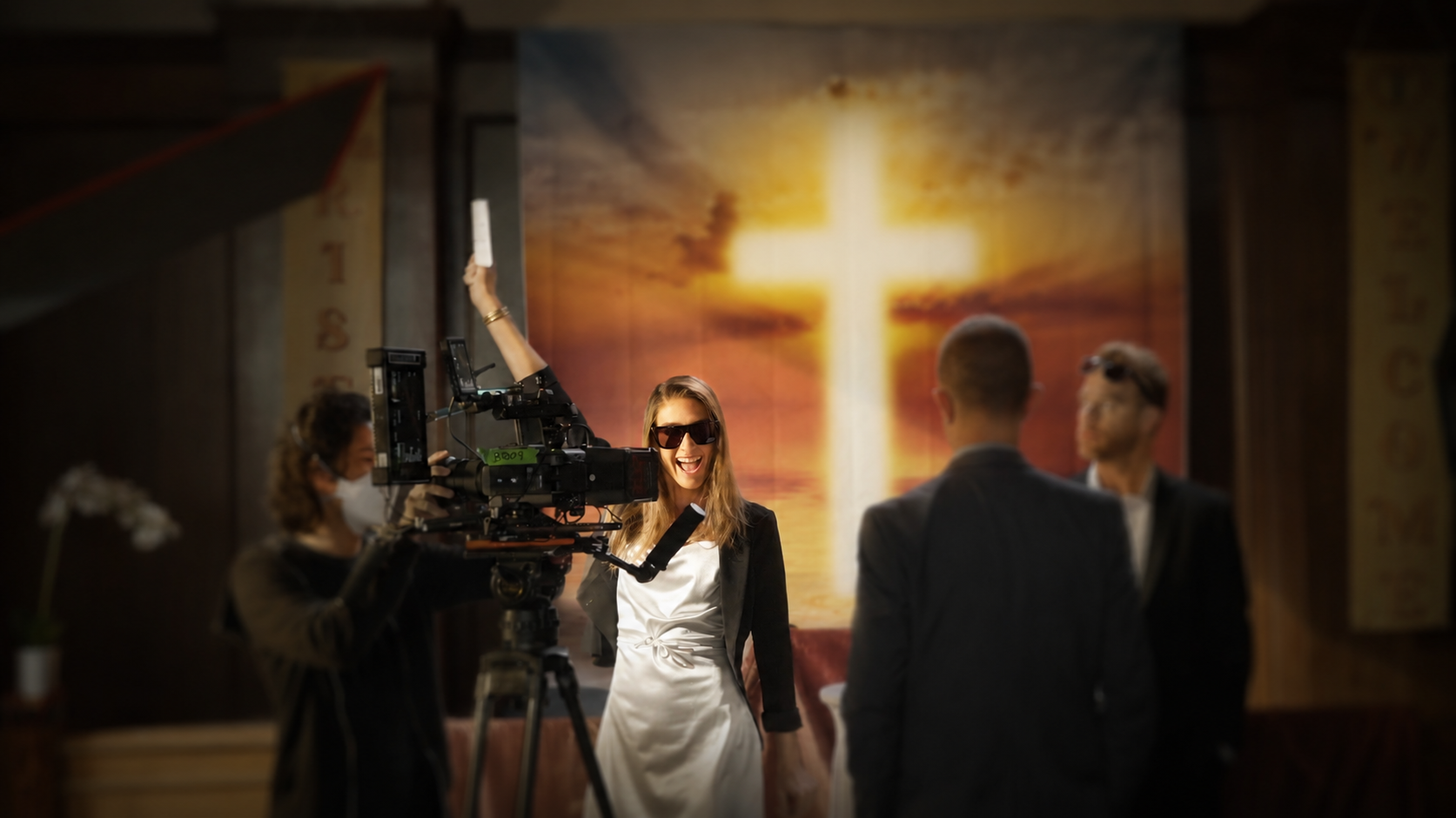
There’s nothing stronger than your own voice to break through a crowd. Behind the scenes, lead character role.
I'd love to hear your thoughts. Have you ever read something that was technically flawless but somehow felt empty? Or has someone's honesty ever stayed with you far longer than their perfection? I have a feeling those are the voices we'll continue remembering, no matter how much technology evolves.